Fellowship Saved My Life
By John Marx
- 4 minutes read - 767 wordsAs a new member of a 12-step program, you will repeatedly be told to ‘go to meetings, get a sponsor, and work the steps.’ You will also be suggested to take a service position, such as making coffee or cleaning up after the meetings. These activities are encompassed within two of the three pillars of Alcoholics Anonymous, recovery and service. And they are essential to a successful program of recovery. However, a three-legged stool will not stand on two legs. The third pillar, unity, can make or break your recovery. And that starts with fellowship. When first getting sober, it is strongly recommended to stay away from those with whom you used or who are in active addiction. You may be asking yourself at this point ‘who am I going to hang out with when all my friends still get drunk or high.’ You certainly would not be the first person to voice this concern. Fortunately, there is a solution.
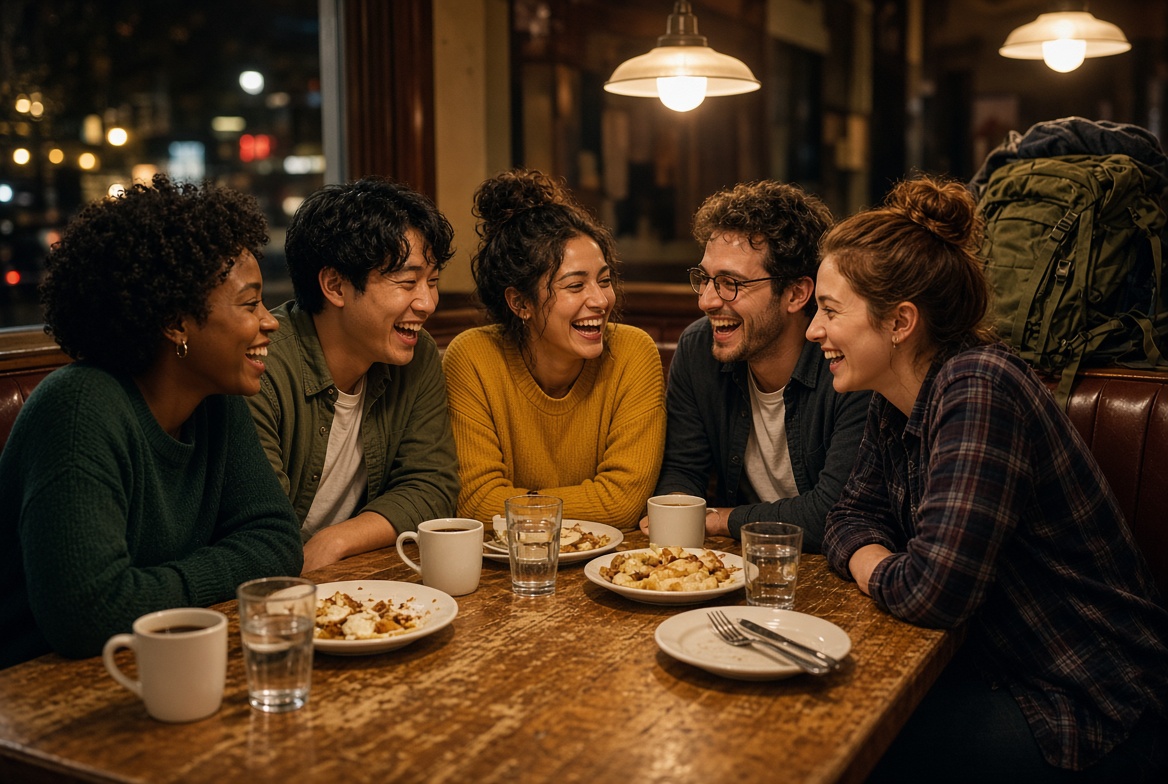
When I was early in my recovery, I was basically friendless. I had burned bridges with every respectable person in my social circle on my path to rehab. The few that would still speak to me were likely still engaging in the behavior that I was desperate to avoid. At first, I was tempted to isolate and avoid forging new friendships; I would go straight home after the end of each meeting and avoid unnecessary interactions. After all, I was worn down from years of social chaos and mind-altering substances had been my social lubricant from an early age. However, as the adage goes, ’the opposite of addiction is connection.’ My sponsor encouraged me to try to participate in sober activities with people in recovery. I lived in a city with a massive recovery community and many meetings dedicated to young people. I began staying for the ‘meeting after the meeting’ which usually involved a rowdy trip to a local chain restaurant. As I began engaging in other activities such as the rock climbing gym, I began to spot some of these people and found that we shared many interests. Before long, I had formed a social circle of several friends, and when I was ready to leave my sober living house, we all moved in together.
For the first 3-4 years of my sobriety, my friend circle was almost entirely comprised of other people in recovery. That is certainly not to say that it is discouraged to ever hang out with ’normies.’ After I settled into a sober way of life, I became comfortable with people drinking alcohol in front of me and made close friends with many of my colleagues. However, I believe that the safest progression is to begin learning how to enjoy sobriety without the temptation or distraction of substances, and to always ‘stick with the winners.’ There will be many people you will meet in the recovery community who do not work a good program, who have ulterior motives, or who have no real intention of staying drug and alcohol free. It is best to distance yourself from those people in favor of those who are serious about this process. This same principle can be applied when you began to branch out to people who aren’t in the program. You’re experience as a person in recovery will enable you to easily spot those who are moderate drinkers and those who are untreated addicts or alcoholics. Stay away from the latter. It is also worth noting that some of your close friends in recovery may cease working their program and begin moving back towards addiction. Remember, we wake up every day as untreated alcoholics. Somebody who had good recovery yesterday may not have it today. It is important to hold boundaries with people who relapse or begin to engage in relapse behaviors. Always keep your hand extended to them when they are ready to come back. But don’t follow them down that path.
If I had not made close friends in recovery, I do not know how I would have stayed clean all these years. I began to truly experience the magic of recovery when together, we started living again. This meant going on rock climbing trips and other adventures, game nights, going out to dinner, and just sitting around laughing until we couldn’t breathe. While we must take our recovery seriously, it is not meant to be a dull and somber experience. Today, I love my life as a sober person much more than I ever loved it as a substance user. And that is not something I could have achieved alone.