
Harlan Serenity Foundation provides partial scholarships to young people in the United States for wilderness programs assisting with addiction recovery.
Recent Posts
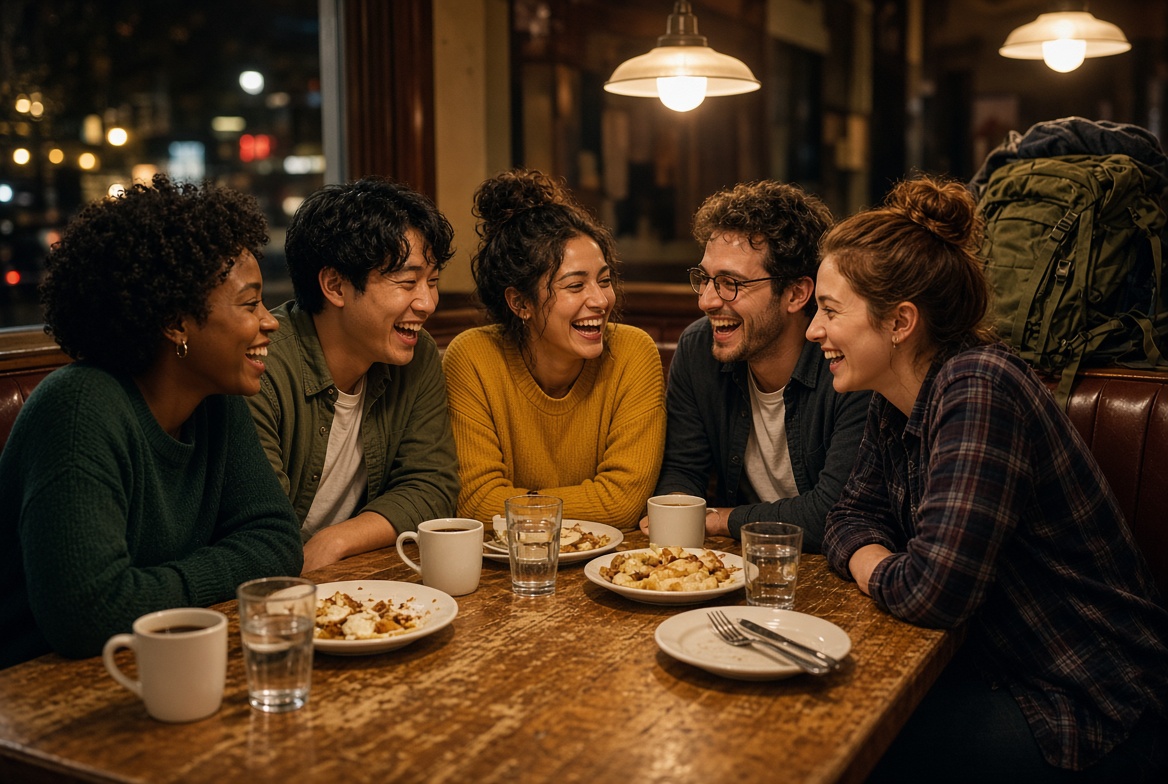
Fellowship Saved My Life
As a new member of a 12-step program, you will repeatedly be told to ‘go to meetings, get a sponsor, and work the steps.’ You will also be suggested to take a service position, such as making coffee or cleaning up after the meetings. These activities are encompassed within two of the three pillars of Alcoholics Anonymous, recovery and service. And they are essential to a successful program of recovery. However, a three-legged stool will not stand on two legs. The third pillar, unity, can make or break your recovery. And that starts with fellowship. When first getting sober, it is strongly recommended to stay away from those with whom you used or who are in active addiction. You may be asking yourself at this point ‘who am I going to hang out with when all my friends still get drunk or high.’ You certainly would not be the first person to voice this concern. Fortunately, there is a solution.
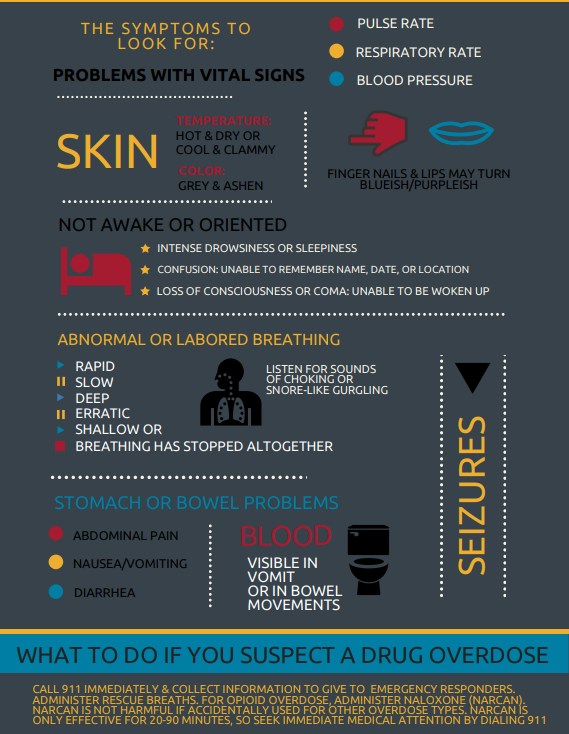
Honoring Overdose Awareness Month Through Wilderness Recovery
August is Overdose Awareness Month, and on August 31 we observe International Overdose Awareness Day. This year marks 25 years of a global campaign that began with a simple act of remembrance and has grown into a worldwide call to end overdose, reduce stigma, and support those left behind.
Recovery doesn’t always mean survival, but every step toward recovery deserves recognition. Recovery can look different for everyone. It may involve treatment, medication, peer support, family, rebuilding relationships, finding meaningful work or purpose, creating a safe home, or simply taking life one day at a time
Maintaining Recovery While Living Abroad
As someone who commissioned into the military later in life, and was stationed overseas, I realized that I had taken the recovery community in the United States for granted. It is somewhat rare for somebody with many years of recovery already under their belt to join the military, and it can feel isolating to be one of the few people in that situation. Things would have been much easier had I been stationed stateside. In nearly every midsize to major city across the U.S, there are AA and NA meetings virtually every hour on the hour from sunrise to sunset. Outside the U.S. and other English-speaking countries, meeting availability becomes a bit more challenging. However, that certainly does not mean that living abroad means being cut off from the recovery community altogether. In fact, there are opportunities to engage in a rich recovery community in some very unexpected places.
Recovery Language Matters
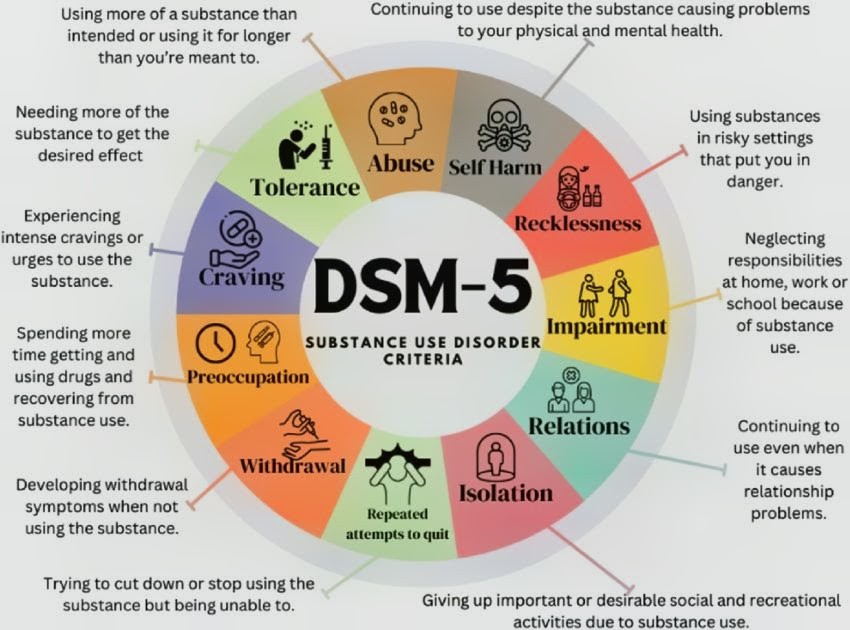
When we have any type of experience with substance use, whether it’s being in active use ourselves or hearing about it in the news, we develop a lexicon that we may not even realize is causing harm. Willingness to rethink the language we use to discuss recovery is a key quality that makes us the most prepared to support people we love and communicate compassionately. Let’s look at a few key examples.
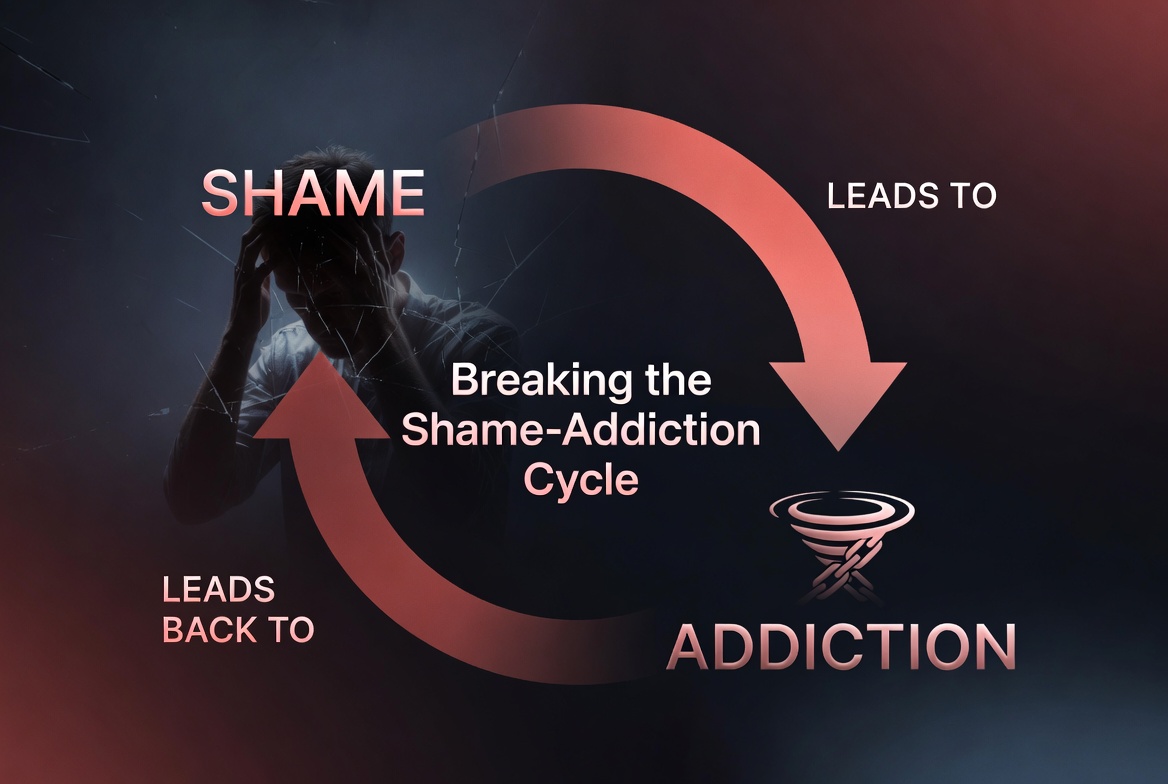
Addiction Shame Cycle
We talk a lot here about how extreme addiction is. If you fully grasp the scale of what we’re talking about, then it can feel pretty hopeless. Let me articulate this as simply as I can. Please know this is just my understanding. Your mileage may vary with this perspective.
Addiction is chemical. Your brain desires its addiction as a tool, just like it needs sugar to function, the addiction is something the brain uses to trigger certain brain chemistry that it genuinely needs. The chemistry becomes a problem when it phases from “tool” to “addiction”. But your brain asks harder for certain things when it needs those chemicals. Anyone who’s ever “really needed” a cup of coffee can comprehend this. But it extends to concepts like sugar (did you know you’re less likely to resist sugary foods when your brain is tired?) and protein and everything else. The brain will reduce your will-power until you give in eventually. Those who exercise will-power well, feed their brain with other tools, like sleep, exercise, and other forms of rest.